Insights Growth breaks where nobody looks
Follow the enquiry. Find the next useful fix. A practical way to review the handoffs between your campaign, website, CRM and sales team.
Follow-up · 4 min read · By Fezey Media ·
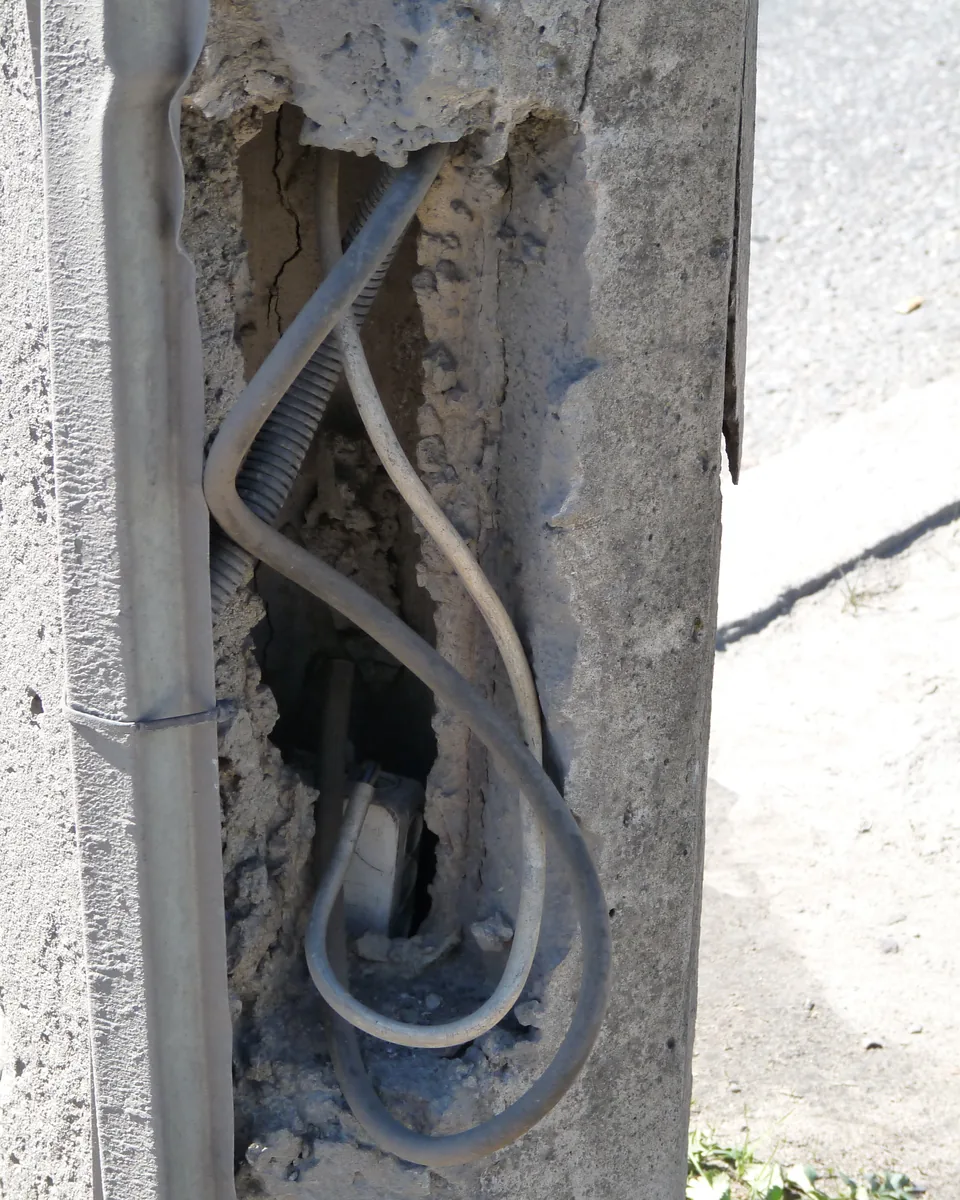
Photo: Dmitry G, public domain, via Wikimedia Commons
Revenue has gone flat. Someone suggests new creative. Someone else says the website feels dated. Both ideas are reasonable, both are easy to picture, and both can be finished within a few weeks. So both get done.
The new ads perform better. The new site looks better. Revenue stays exactly where it was.
That usually isn’t bad luck, and it usually isn’t bad work. It is what happens when a business fixes the part it can see instead of the part that is broken.
The fix everyone can see
Ask four specialists what is wrong with a brand and you will hear four answers, each shaped like the thing that specialist sells. The creative agency wants better ads. The media agency wants a different audience. The developer wants a new website. The performance agency wants cheaper leads.
Nobody is being dishonest. Each of them is looking at the station they know best, and every station has something worth improving. The question is never whether the ad could be better. It is whether the ad is what’s holding revenue back.
The ad and the website also share a convenient quality: you can look at them. They fit on a screen in a meeting. They can be compared with a competitor’s and signed off by a director. A follow-up process can’t be screenshotted, and a CRM that nobody updates doesn’t appear in anyone’s portfolio. So budgets drift towards what is visible, and the quiet parts of the business go unexamined.
Every station inherits the break
Growth runs through a chain. Creative earns attention. Ads put it in front of the right people. The site makes the case. Tracking records what happened. A lead raises a hand. Follow-up answers it. The CRM keeps the history. Sales closes. Revenue is whatever survives to the far end.
Each station hands its work to the next, so a break anywhere is passed down to everything after it. The best ad in the market can’t save an enquiry that waits until tomorrow afternoon for a reply. A fast reply can’t save a lead the sales team can’t trace back to where it came from.
That is why fixes made upstream of a break so often disappoint. Improve the ads above a broken station and the break doesn’t close; it just receives more people. Cost per lead falls, the marketing dashboards turn green, and cost per sale barely moves. It can look like progress for months.
Tracking deserves a separate warning, because when it breaks it hides every other break. If the ad platforms only ever hear about form fills, they learn to find people who fill in forms, not people who buy. The campaign gets very good at the wrong thing, and every report says it is working.
Follow one lead
Finding the broken station doesn’t start with a strategy deck. It starts with a single enquiry.
Take a handful of last month’s leads and follow each one by hand, from the ad or search that found it to the invoice, or to the point where the trail goes cold. For every lead, tick off five things:
- Source. Can you name the ad, search or post that produced this enquiry?
- Owner. Who was responsible for it once it arrived, and did they know?
- First reply. How long before a person replied, and on which channel?
- Status. Where does it stand today, and is that on file with its history?
- Next action. What happens next, and when? A lead without one has quietly stopped.
Three signals usually point to the broken station.
The trail goes cold. The first question nobody can answer marks where the data stops, and where the data stops, nobody has been managing anything.
The steepest drop. Count how many leads survive each handover. The station that loses far more than it should is the first place to look, however unglamorous it is.
Nobody owns it. Ask who is responsible for each station. The one that earns a pause, or a vague “all of us”, is very often the one that’s broken.
Then run the cheapest test there is: become a lead. Fill in your own form on a weekend evening and time the reply. It costs a few minutes and tells you more about follow-up than any dashboard will.
Fix one station
When the break is found, the fix is often smaller than the rebuild everyone was bracing for. Follow-up is the clearest case. The leads are already paid for; the work is to answer them quickly, in the channel they chose, and to keep answering until there is a decision.
The practical rule fits in a sentence. Before you change the part everyone can see, follow one lead until it stops moving, and fix that station first. Then walk the chain again: once one break closes, the next one tends to show itself further down.
Growth only makes sense when you can see the whole system. The ad and the website are part of it. So is the reply nobody sends on a Saturday night.
If you’d rather not walk the chain alone, tell us where you think it’s stuck. We’ll look at all of it, starting with the stations you didn’t pick.
Related reading Tech, Automations & AI · Consulting & Training