Why we made fezeymedia.com a scroll-driven film, what it is worth when a visitor stays, and what Google does and doesn’t learn from that. Our first readings, dated.
A cinematic website is often sold with a neat chain of cause. Animation keeps people on the page. Longer visits raise the average session duration. Google reads that as relevance, and the rankings rise.
Illustrative.
Animation
Longer visits
Longer session duration in Google Analytics
Google sees relevance
Higher rankings
Not how Google works
Google: nothing from Google Analytics is used in ranking (Gary Illyes, 26 Jun 2017)
The searcher finds what they came for
Doesn’t go back to the results
Google’s own interaction data, aggregated and anonymised
Relevance signals
Described by Google and in the 2024 court record. Its weight is not public.
Most of that chain is reasonable. One link is wrong: Google’s ranking doesn’t use your analytics.
What Google has said, and what the record shows
Google has said for years that its ranking uses nothing from Google Analytics. In June 2017, Gary Illyes of Google wrote on Twitter: “We don’t use anything from Google analytics in the ‘algo’.” The session duration and bounce rate in your GA4 reports are your readings. Google’s ranking systems don’t see them.
That doesn’t make visitor behaviour irrelevant. Google’s own explanation of how it ranks results says it uses “aggregated and anonymised interaction data” to judge whether results are relevant to a query. That data comes from Google’s own results pages.
The clearest public account came out of the US government’s case against Google. In his August 2024 ruling, Judge Amit Mehta found that Google’s click data includes “whether the user returns to the SERP and how quickly”. He described Navboost, one of Google’s ranking signals, as remembering which documents users clicked after a query. Pandu Nayak, Google’s vice president for Search, testified that since 2017 it has been trained on 13 months of user data.
The internal documentation that leaked in May 2024 pointed the same way. Among its Navboost attributes are goodClicks, badClicks and lastLongestClicks. The documentation gives them no description, and Google, while confirming the documents were genuine, warned against drawing conclusions from information that was out of context or out of date.
So, plainly:
Confirmed. Google’s ranking doesn’t use your Google Analytics data. Google does use aggregated interaction data from its own results pages, including whether people return to the results and how quickly.
Inferred. A visitor who finds what they came for and stays, instead of going back to the results, probably counts in a page’s favour. The record makes that likely. How much it weighs is known only inside Google.
Illustrative. What the record names, not how it is weighted.
12
“whether the user returns to the SERP and how quickly” US v. Google, Memorandum Opinion, 5 Aug 2024, ¶88
lastLongestClicks: named, never described Google’s Content Warehouse documentation, leaked May 2024
Built to be stayed on
We made our own site a scroll-driven film because the site is the first piece of our work most people see, and we think a story holds attention better than a list of services.
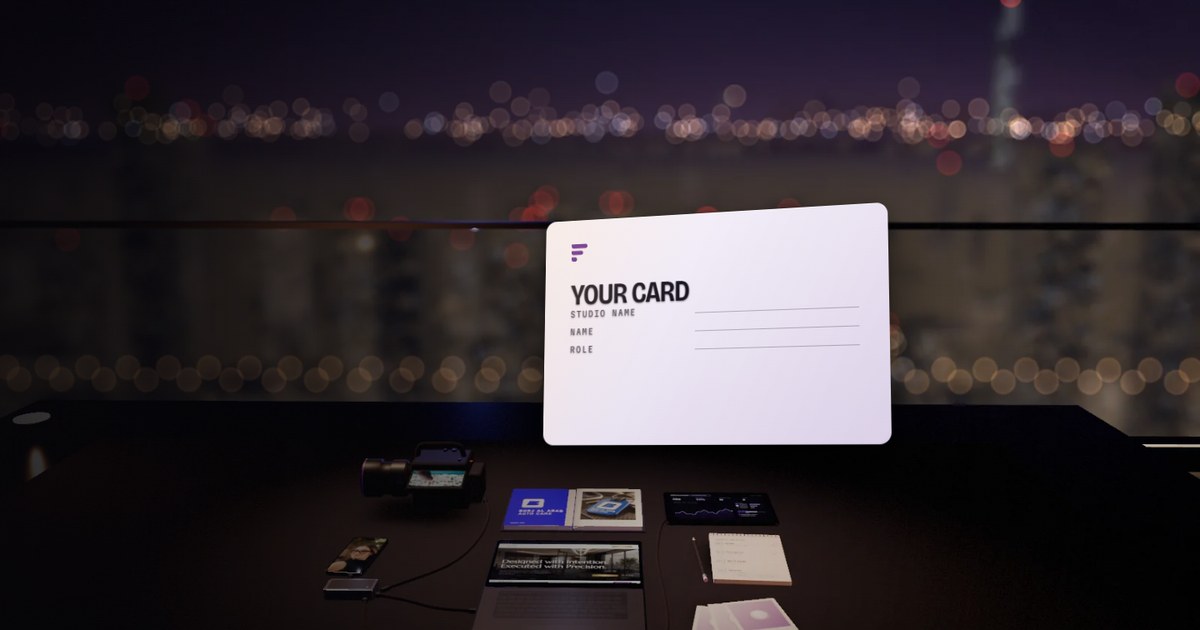
The homepage is one night on a Dubai rooftop. A single table holds a brand’s whole growth system, the camera never cuts, and every line of text sits beside the thing it describes. A label appears when the object it names comes into view, and leaves when the camera moves on.
123
One camera move, no cuts
Each label sits beside the thing it names
A brand’s whole growth system, on one table
Every word is in the page’s HTML from the moment it loads, so search engines and AI assistants can read the site the film is built around.
Motion that slows a page costs the visit it was meant to keep, so the film runs under speed rules. On a case page tested on 8 November 2026, PageSpeed Insights on mobile scored 93 for performance and 100 for accessibility, with the largest element drawn in 1.2 seconds and no layout shift. Google’s own guidance counts 2.5 seconds as good.
0 s
1 s
2 s
1.2 s
Good: 2.5 s or less (web.dev)
Performance 93
Accessibility 100
Layout shift 0
PageSpeed Insights, mobile, /work/nits-decor/, 8 Nov 2026
The first page of a visit opens on a short preloader that charges for two seconds at most, while the page underneath loads as it always would. Visitors whose devices ask for less motion get a composed, still version of every scene.
Our reading and Google’s
A site like this produces two kinds of number, and it helps to keep them apart. Engagement time, session duration and rage clicks are our readings, from our own analytics. Impressions, clicks and positions are what Google shows us of its side, in Search Console.
The site went live on 5 November 2026, so every number here is a first reading, with nothing before it to compare against.
On the homepage, in its first three days to 7 November, Microsoft Clarity recorded 67 sessions with an average of 45 seconds of engagement, no rage clicks and no JavaScript errors. ChatGPT has sent visitors to our Studio and Careers pages.
In Google Search between 2 and 6 November, the site was shown 99 times and clicked 6 times, at an average position of 14.97. Searches containing our name were shown 16 times at an average position of 2.63, and “fezey media” sat at 1.4. Searches without our name were shown 47 times, at an average position of 35.6.
What we read
45 s average engagement
67 sessions
0 rage clicks
0 JavaScript errors
Homepage · Microsoft Clarity · first 3 days, to 7 Nov 2026
ChatGPT
What Google shows us
99 impressions
6 clicks
average position 14.97
our name: 16 impressions at 2.63
“fezey media” at 1.4
without our name: 47 impressions at 35.6
Google Search Console · 2 to 6 Nov 2026
Google’s ranking doesn’t see the left side.
At 90 days we’ll read the same numbers again, with the same definitions: engagement and pages per visit on our side; clicks and positions for searches with and without our name on Google’s. If the film is doing its job, people who arrive will stay to see the work, and more of them will come from searches that don’t start with our name.
If you’re building an experience site
Let the motion carry the argument. Animate what explains the business: a cause, a sequence, a before and after. Cut motion that only decorates.
Set the speed budget before the first animation. Agree the limits for loading and layout shift, and test every scene against them on a mid-range phone.
Put every word in the HTML. Search engines and AI assistants read text, so keep it in the page, outside the film.
Design the still version. Reduced motion is a second edition of the site and deserves the same care.
Read engagement as your own signal. Use analytics to learn what holds people, and Search Console to see what Google sees.
If you want a site people stay on, start with what it has to say. Start something, and we’ll build the film around it.